- Dr. Dennis Weekly
- Posts
- Dr. Dennis Weekly AI — October 20, 2025
Dr. Dennis Weekly AI — October 20, 2025
Agentic AI, AI PCs, OpenAI chips, Google Veo 3.1 vs. Sora, and this week’s creative tools

Dr. Dennis Addo
October 23, 2025
Ever feel like you blink and the entire tech landscape has shifted under your feet? That’s the feeling in the world of AI this week, where the ground isn’t just shifting—it’s being completely rebuilt from the silicon up. The race for AI dominance just got a whole lot more interesting, moving beyond the software and into the very hardware that powers our future.
—
The Trend We’re Loving — The Rise of Agentic AI
This week, the buzz isn’t just about AI that can answer your questions — it’s about Agentic AI systems that can proactively take action on your behalf. Think of it as the shift from a passive tool to a proactive partner. Instead of you telling the AI every single step, you give it a goal, and it figures out how to get there, interacting with apps, data, and systems along the way. It’s the difference between a calculator and a personal chief of staff.
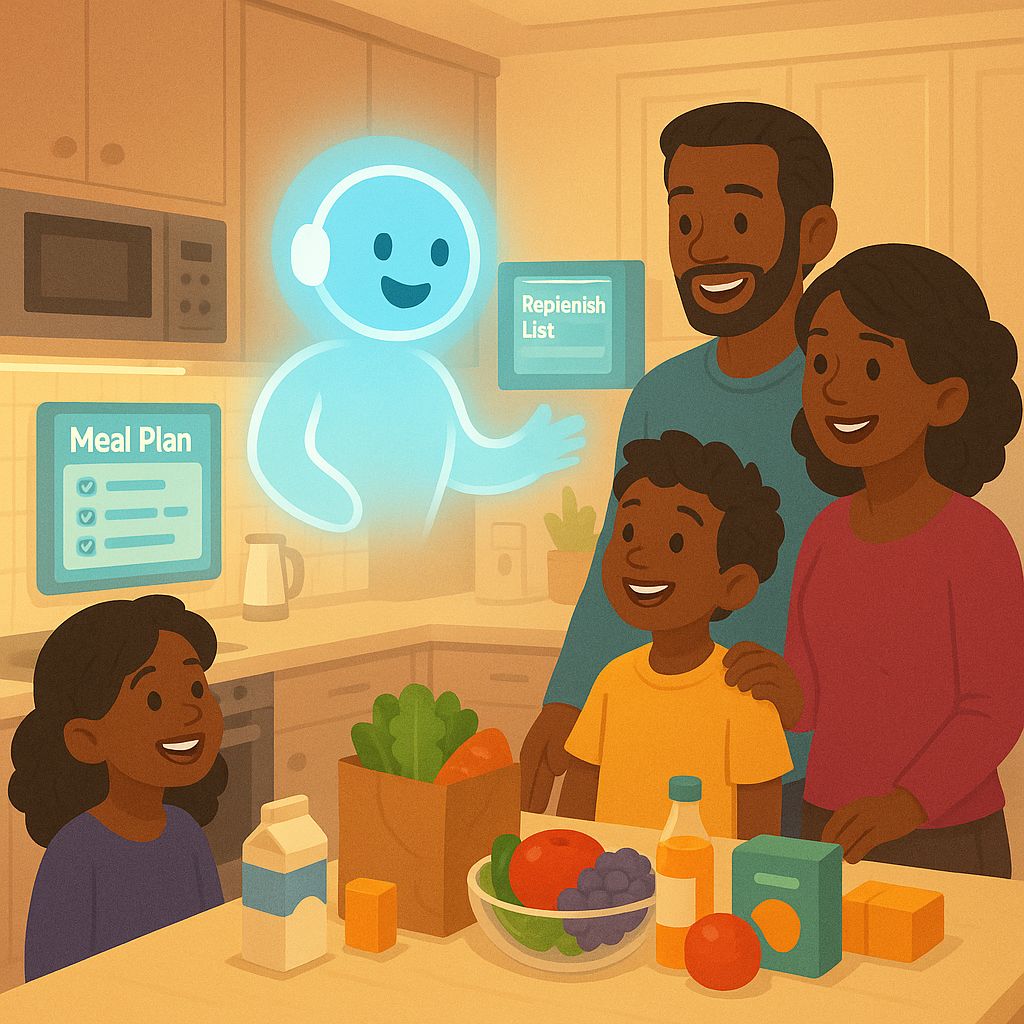
We saw this trend explode in two major ways this week. • Walmart x OpenAI: “Agentic commerce” that anticipates your family’s needs, plans meals, and restocks your pantry through a simple conversation. • Microsoft Copilot on Windows 11: Turning every PC into an AI PC that can see your screen, understand voice, and take actions within your apps.
Key Implications For Consumers: Expect a world where your devices and services work in the background to make life easier—from planning trips with Kayak’s new AI mode to your PC guiding you through complex tasks. For Businesses: The focus is shifting from single-task automation to automating entire workflows. Anthropic’s new Claude Skills lets teams package intricate processes that the AI can execute autonomously.
Further Reading • Microsoft’s Vision for the AI PC — • Walmart and OpenAI Redefine Shopping —
—
Deep Dive — OpenAI Thinks Different: Building Its Own AI Brains (Custom Chips)
OpenAI announced a landmark partnership with Broadcom to co-develop and deploy a staggering 10 gigawatts of custom, OpenAI-designed AI accelerators. This isn’t just a hardware order—it's a fundamental shift in how the AI ecosystem is being built.
By designing its own chips, OpenAI can bake learnings from developing frontier models like GPT directly into the silicon, creating a feedback loop that could accelerate progress. “Developing our own accelerators adds to the broader ecosystem of partners all building the capacity required to push the frontier of AI,” said CEO Sam Altman. President Greg Brockman added, “By building our own chip, we can embed what we’ve learned from creating frontier models and products directly into the hardware, unlocking new levels of capability and intelligence.”
The multi-year deal will roll out starting in late 2026 and increases pressure on rivals and traditional chipmakers. In the race to AGI, software and hardware are becoming inseparable.
—
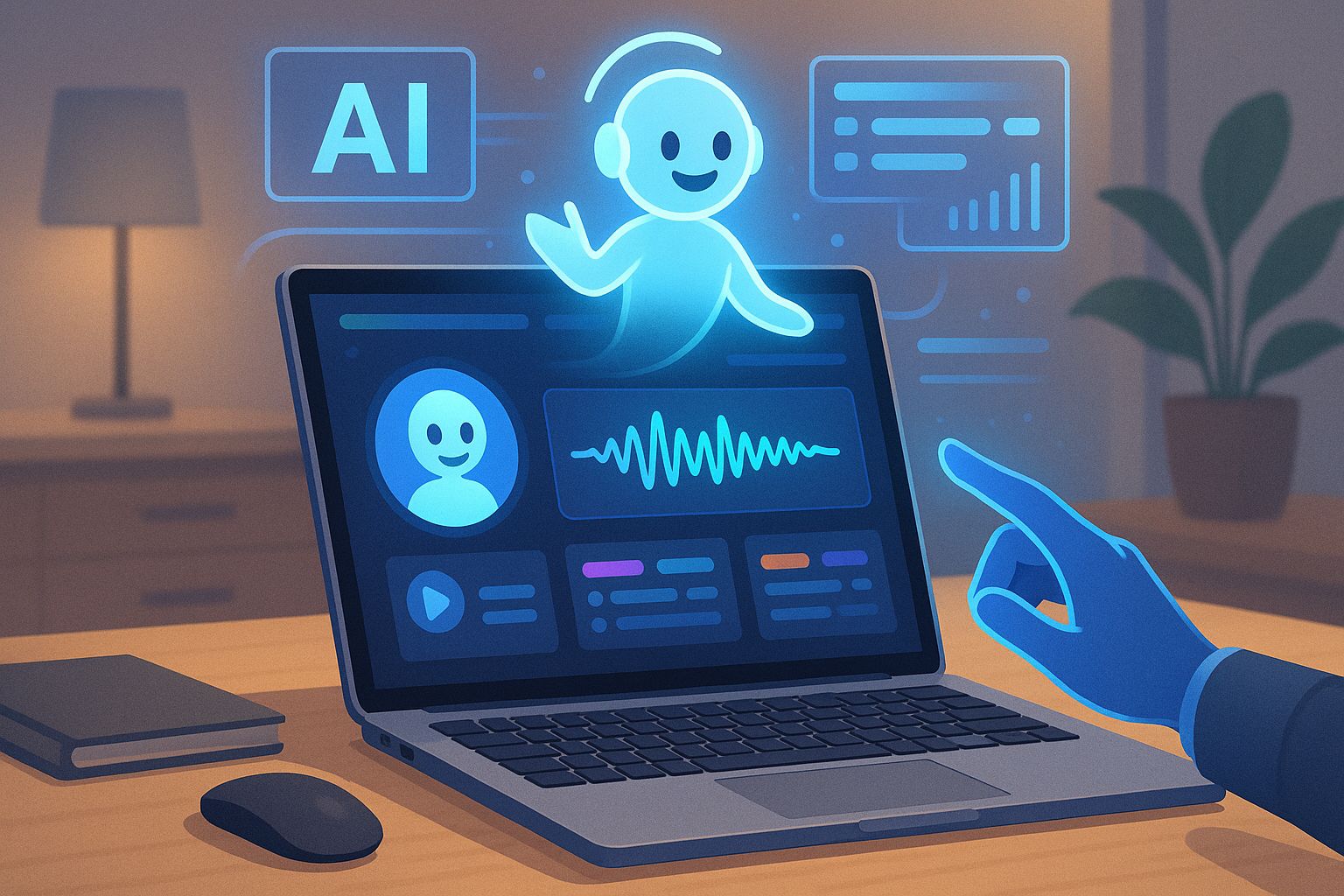
Hey, Copilot, Run My Life — Microsoft’s Plan to Turn Your PC into a Personal AI
Microsoft is transforming Copilot from a helpful chatbot into an agentic layer of Windows 11. The biggest update: “Hey, Copilot,” a hands-free wake word that lets you conversationally direct your computer. Microsoft reports users engage twice as much when using voice—natural language is becoming the new UI.
With Copilot Vision, the AI can see what’s on your screen and guide you step-by-step, whether you’re learning an app or editing a photo. Soon, Copilot will perform actions on local files and connect across your personal data (Google Drive, Outlook, etc.). The PC becomes less a tool you command and more a partner you collaborate with.
—

The AI Video Wars Get a Soundtrack — Google Veo 3.1 vs. Sora
Google unveiled Veo 3.1, a major update to its AI video model, adding fully synchronized audio. While rivals produce silent visuals, Veo 3.1 generates immersive sound that matches the scene—bringing us closer to end-to-end AI filmmaking.
Integrated into Flow (over 275M videos generated in five months), Veo 3.1 improves realism and control: use reference images to define characters/styles (Ingredients to Video) or bridge two images for seamless transitions (Frames to Video). It’s available via the Gemini API and Vertex AI, putting these capabilities in developers’ and enterprises’ hands.
—
Dr. Dennis’ Picks — Creative AI Tools of the Week
• Pika — TikTok-like AI video app that turns selfies and prompts into playful, viral clips. Try it here: [link] • Claude Skills — Give Anthropic’s Claude custom skills to automate complex personal/pro workflows. Learn more: [link] • Kayak AI Mode — Chat your way to your next vacation; research, plan, and book in one flow. Explore: [link] • Claude Haiku 4.5 — Super-fast, low-cost model ideal for real-time support and low-latency use. Read: [link] • Sora 2 on Azure — OpenAI’s text-to-video via cloud API for commercial-grade apps. Details: [link]
—
Takeaways
• The AI race pivoted from bigger models to building the full stack—custom silicon + agentic software. • AI isn’t just answering—it’s doing. Expect autonomous workflows to be the default UX. • True AI leadership will require mastering the stack: hardware, software, and user experience.
Give one of this week’s agentic tools a try—you’ll glimpse the future of all software.
—
See you next week—where we’ll unpack AI’s impact on a surprising industry. Forward this to a colleague who needs to stay ahead, and reply with your insights—I read every message.
Subscribe | Archive | LinkedIn | Twitter