- Dr. Dennis Weekly
- Posts
- Dr. Dennis Weekly AI Blog - October 27, 2025
Dr. Dennis Weekly AI Blog - October 27, 2025
Happy New Week, Everyone! The Browser Wars Are Back, and This Time They're Artificially Intelligent

Dr. Dennis Addo
October 27, 2025
Happy New Week, Everyone!
Remember when the web browser was just a quiet, passive window to the internet? That era is officially over. This week, the humble browser became the new battleground for AI supremacy, and our digital workflows are about to get a radical upgrade.

/
🔥 THE TREND WE'RE LOVING
The Browser is Now Your Co-Pilot
This week's biggest trend isn't a single model or application, but a fundamental shift in how we interact with the internet. The browser is no longer just for viewing content—it's becoming an active, intelligent partner. Companies are racing to embed powerful AI agents directly into the browser, transforming it from a simple tool into a proactive assistant that understands your context and automates your tasks.
This matters because it removes the biggest friction in our current AI workflow: the constant copy-pasting and context-switching between web pages and a separate chatbot.
Here are a few key implications:
• Frictionless Research: Imagine an assistant that reads the pages you have open and synthesizes information for you on the fly. AI-powered browsers like OpenAI's new ChatGPT Atlas and Perplexity's Comet are making this a reality, eliminating the need to toggle between tabs to get answers.
• The Dawn of True Web Automation: We're moving beyond simple chatbots to AI agents that can take action. With features like Atlas's agent mode, you can delegate multi-step tasks like booking a flight or filling out complex forms, and the browser will execute them on your behalf.

• A Web That Knows You: With new memory capabilities, like those introduced in Microsoft Copilot's latest update, your browser will start to remember your preferences, projects, and important details, creating a truly personalized and efficient online experience.
Further Reading: • OpenAI launches an AI-powered browser ChatGPT Atlas - TechCrunch • Microsoft introduces new Copilot features such as collaboration, Google integration - Reuters
🌐 DEEP DIVE
The Browser Wars Are Back, and This Time They're Artificially Intelligent
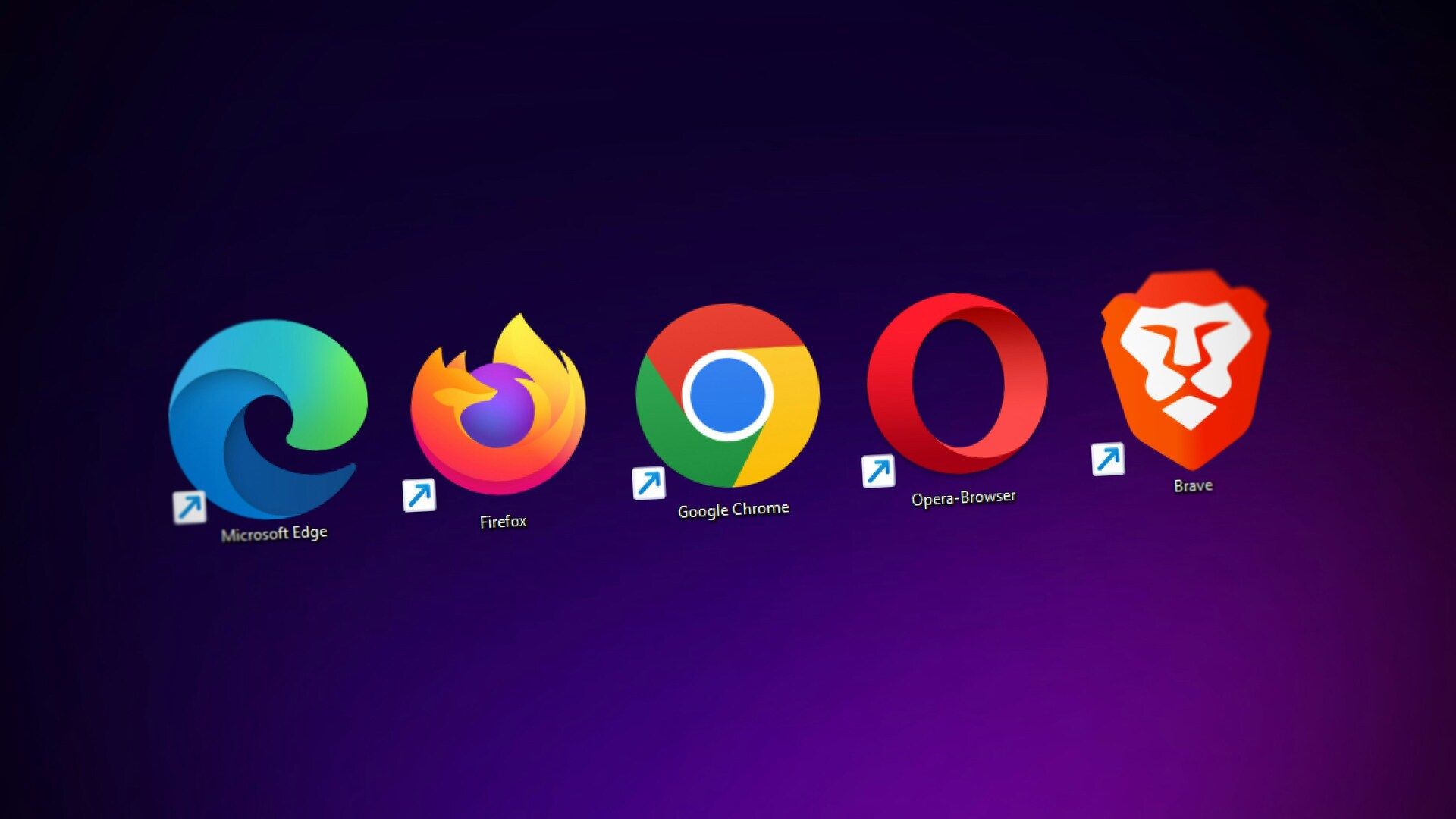
In a move that sent ripples across Silicon Valley, OpenAI this week launched ChatGPT Atlas, a desktop web browser built from the ground up with AI at its core. This isn't just another app—it's a direct shot at Google Chrome's multi-decade dominance and a bold declaration that the future of the internet is not just about finding information, but interacting with it.
Atlas integrates ChatGPT directly into a side panel, giving it full context of your browsing session. But the real game-changer is agent mode, a feature for paid users that allows the browser to take control and perform tasks on your behalf. According to Ben Goodger, OpenAI's Engineering Lead, "ChatGPT is core to the company's first browser," signaling a fundamental rethinking of what a browser should do.
This launch pits OpenAI against not only Google but also a host of ambitious startups like Perplexity, whose own AI browser, Comet, also made news this week by becoming free for all users. As Nick Turley, OpenAI's Head of ChatGPT, put it, he's inspired by the way browsers have redefined what an operating system can look like. The race is on to build not just a smarter browser, but a new kind of operating system for the web.
🎬 YOUR AI CO-DIRECTOR HAS ARRIVED
Google's Veo Now Creates Video with Dialogue
Just when you thought AI video generation was hitting a plateau, Google dropped a bombshell. As part of its October Gemini Drop, the company unveiled Veo 3.1, a significant upgrade to its video generation model that can now create scenes with true-to-life textures, advanced camera control, and—most impressively—dialogue with synchronized sound effects.
This development moves AI video from the realm of silent, artistic clips to a tool capable of producing genuine narrative content. Imagine generating a short film scene, a product demo with a voiceover, or an educational video, all from a text prompt. Google is blurring the lines between writer, director, and special effects artist, putting sophisticated storytelling tools into the hands of creators everywhere.
Beyond video, the Gemini update also supercharged creativity in other areas. A new feature in Canvas allows users to generate a full slide deck, complete with a theme and relevant images, simply by providing a topic. For the academic and research communities, improved LaTeX rendering means mathematical formulas can now be easily copied, edited, and exported as polished PDFs.

Google isn't just updating its AI—it's building a full-stack creative suite.
Read more: • Google Veo 3.1 announcement - TechCrunch
⚡ META HITS RESET ON AI
In a stark reminder that even the hottest sectors aren't immune to restructuring, Meta announced this week it is laying off roughly 600 employees from its artificial intelligence division. The cuts, which impacted the AI infrastructure and Fundamental Artificial Intelligence Research (FAIR) units, come as the company attempts to streamline what insiders reportedly called a "bloated organization."
The move is seen as a major consolidation of power under Alexandr Wang, the Scale AI founder who became Meta's chief AI officer in June following a staggering $14.3 billion investment. According to reports, the layoffs are part of CEO Mark Zuckerberg's strategy to bet on his expensive new hires over legacy employees, stemming from frustration with the company's AI progress after its Llama 4 models received a lukewarm reception.

Interestingly, the top-tier researchers and engineers hired over the summer to form the new Meta Superintelligence Labs were spared, underscoring a clear strategic pivot. While shedding hundreds of roles, Meta is simultaneously pouring billions into infrastructure, including a massive $27 billion data center deal. This is a high-stakes gamble to operate more nimbly and keep pace with rivals like OpenAI and Google, but it signals a turbulent and decisive new chapter in Meta's quest for AI dominance.
🎯 DR. DENNIS' PICK
Here are five AI tools that launched or got major updates this week worth trying:
ChatGPT Atlas – The new browser from OpenAI that puts a powerful AI assistant right at the heart of your web experience. Try it here
Google Veo 3.1 – Generate stunningly realistic videos complete with dialogue and sound effects, right from a prompt. Explore Gemini
Claude Code on the Web – Delegate complex coding tasks to an AI that works in the cloud, freeing you up for bigger challenges. Start coding
JetBrains Matter – A collaborative AI platform where designers and developers can instantly turn ideas into working code prototypes. Request access
Microsoft Copilot Groups – Turn your AI assistant into a team collaborator for shared writing projects and brainstorming sessions. Learn more
💡 TAKEAWAYS
This week, the line between using the internet and collaborating with it has officially blurred. The tools we thought we knew are becoming active partners in our work, anticipating our needs and executing our commands.

The single most powerful insight is this: mastering your workflow is no longer about which apps you use, but how effectively you delegate to the AI within them.
✅ YOUR ACTION FOR THIS WEEK
Pick one of the new AI browsers—Atlas or Comet—and use it exclusively for a full day. See what it feels like to have a co-pilot for the web.
Next week, we'll explore the unsettling new research that suggests AI might not want to be turned off.
📬 Forward this to colleagues who need to stay ahead of the AI revolution.
Have insights to share? Reply — I read every message.
🔗 Subscribe | 📚 Archive | 💼 LinkedIn | 🐦 Twitter